
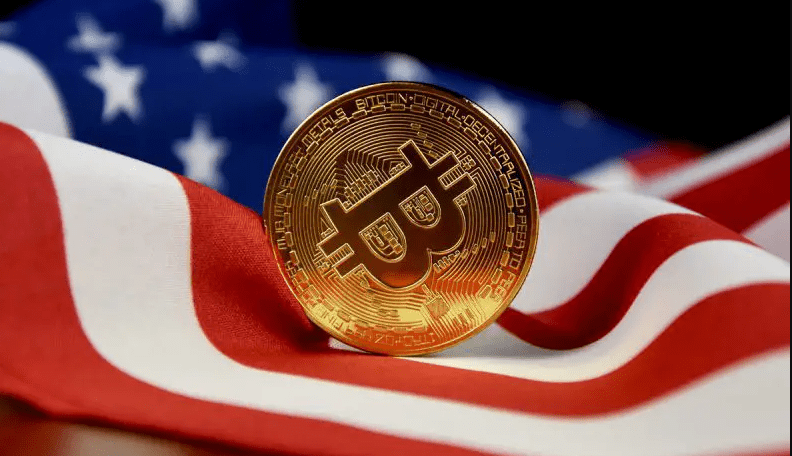
The U.S. government does not prohibit the ownership or use of Bitcoin or other cryptocurrencies. Cryptocurrencies, including Bitcoin, are legal in the United States. However, the regulatory environment is subject to ongoing developments, and it’s important to be aware of any updates or changes.
Here are some key points related to the regulatory stance on Bitcoin in the U.S.:

1. **Legal Status:** Bitcoin is not considered illegal in the United States. Individuals and businesses are allowed to own, buy, sell, and use Bitcoin.
2. **Regulatory Oversight:** Cryptocurrencies are subject to regulatory oversight by various U.S. government agencies. The regulatory approach can vary by agency and may involve aspects such as taxation, anti-money laundering (AML) compliance, and securities regulation.
3. **Financial Crimes Enforcement Network (FinCEN):** FinCEN, a bureau of the U.S. Department of the Treasury, has established regulations for cryptocurrency exchanges and requires certain entities to register as money services businesses (MSBs) and comply with AML and Know Your Customer (KYC) regulations.
4. **Securities and Exchange Commission (SEC):** The SEC has taken action against certain initial coin offerings (ICOs) and projects that it considers to be offering securities without proper registration. It also provides guidance on the classification of digital assets.
5. **Commodity Futures Trading Commission (CFTC):** The CFTC regulates Bitcoin and other cryptocurrencies as commodities. Bitcoin futures and other derivative products are subject to CFTC oversight.
6. **Taxation:** The Internal Revenue Service (IRS) considers cryptocurrencies, including Bitcoin, as property for tax purposes. This means that transactions involving cryptocurrencies may have tax implications, such as capital gains tax.
It’s important to stay informed about regulatory developments and comply with relevant regulations. Cryptocurrency regulations are subject to change, and governments may update their policies in response to evolving technology and market dynamics.
Since the information I provide is based on my last update in January 2022, I recommend checking more recent sources or consulting with legal and financial professionals for the latest information on the regulatory status of Bitcoin in the United States.